

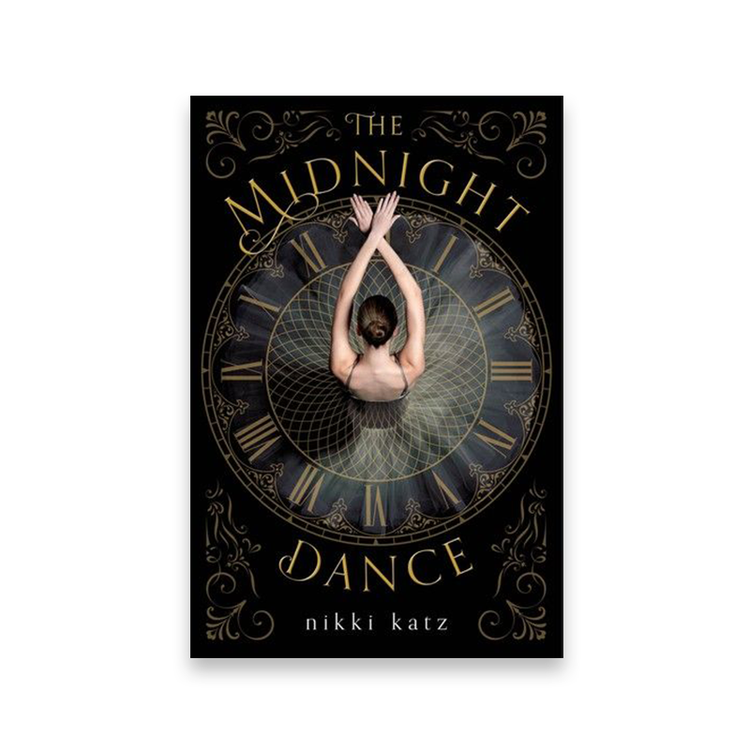
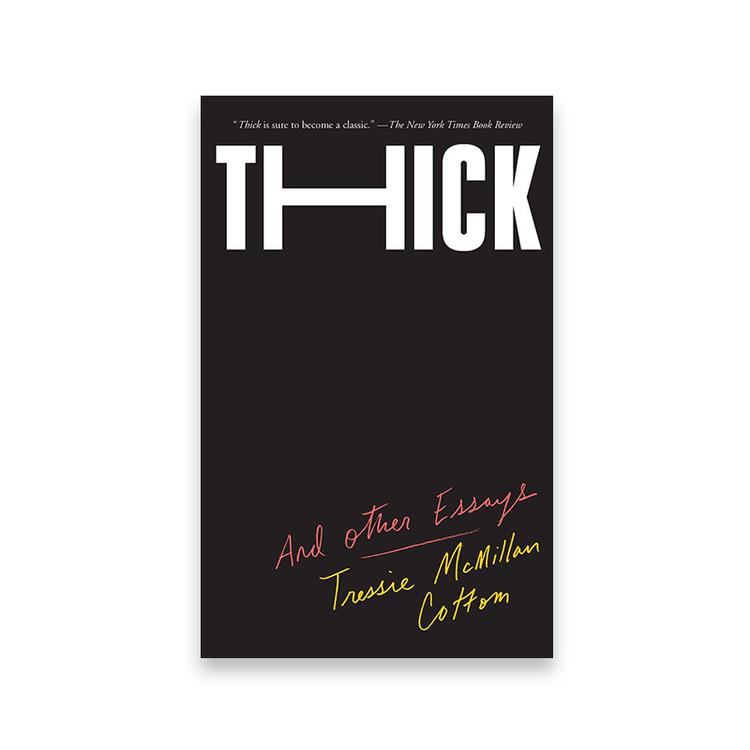
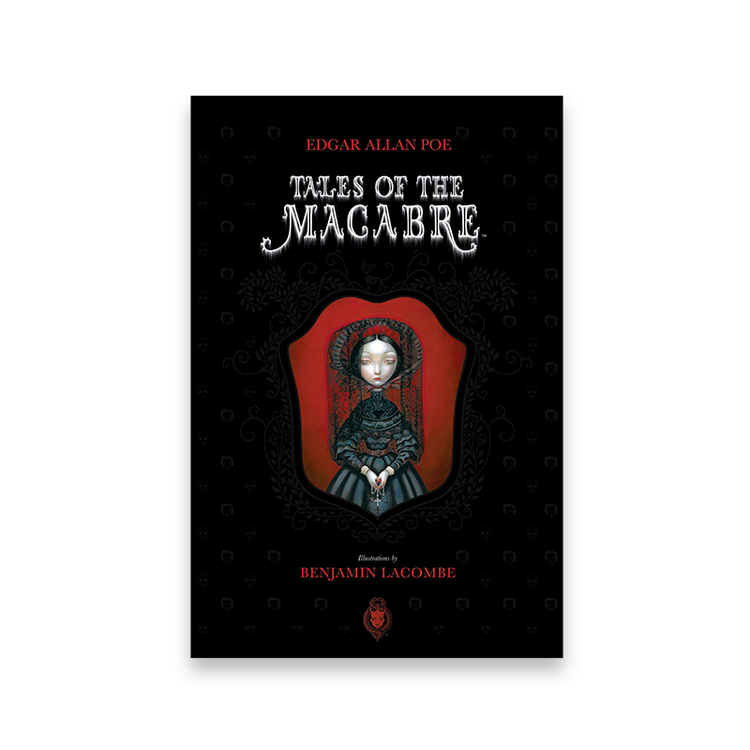
Black book covers are often seen as being more serious or intense than their lighter counterparts. They are also often associated with mystery, the occult, and the supernatural. Black book covers can be very striking and eye-catching, making them perfect for books that are meant to be attention-grabbing.
Black book covers have long held a powerful presence in the world of publishing. With their striking simplicity and emotional depth, they evoke feelings of mystery, elegance, power, and even rebellion. While often associated with specific genres like mystery, horror, or philosophy, black covers have expanded far beyond these boundaries, becoming a staple in modern literary aesthetics. In this article, we’ll explore the reasons behind the popularity of black book covers, their psychological impact on readers, and how authors and designers use this color to communicate themes, moods, and branding.
Symbolism Behind Black Book Covers
The color black has a wide range of symbolic meanings. It’s commonly associated with authority, sophistication, depth, and the unknown. In literature, these qualities often reflect the core themes of a book—be it a thrilling crime novel, a deep philosophical work, or a sleek, modern memoir.
Black also suggests formality and seriousness, which is why many academic and classic titles are designed with black covers. It signifies that what lies within is important, perhaps even transformative. At the same time, black can also represent rebellion and counterculture—making it a fitting choice for books that challenge societal norms or explore unconventional themes.
Genre and Thematic Associations
- Mystery & Crime:
Black is almost synonymous with mystery novels. It creates an atmosphere of suspense and danger. Authors like Agatha Christie and Gillian Flynn often use black elements in their covers to signal complex plots and psychological tension. - Horror & Thriller:
In horror, black signifies darkness, the unknown, and fear—making it an ideal backdrop for terrifying narratives. A black cover hints at shadows both literal and metaphorical. - Philosophy & Non-Fiction:
Black is a favorite for philosophical and intellectual works because it conveys seriousness and gravity. Think of titles like Being and Nothingness or The Republic, which often use black or dark-toned covers. - Contemporary & Literary Fiction:
Modern authors frequently choose black for minimalist or high-concept fiction. The neutrality of black can highlight typography, metallic accents, or minimalist artwork, lending a premium, timeless quality to the book.
Psychological Impact on Readers
From a psychological standpoint, black triggers curiosity. It makes the reader wonder what lies behind the shadowy veil. Because the human brain associates black with both danger and intrigue, a black book cover can be incredibly effective in drawing attention on a crowded shelf or online bookstore.
Moreover, black is gender-neutral and universally appealing. It doesn’t stereotype or pigeonhole the book into a narrow demographic, which can be advantageous for mass-market or crossover titles.
Design Versatility and Trends
Black book covers offer designers a versatile canvas. Whether paired with bold typography, gold foil stamping, matte finishes, or minimalist illustrations, black enhances contrast and sharpness. In recent years, many bestselling books have leaned into black-and-white themes, emphasizing simplicity and sophistication. This trend is particularly strong in the self-help, business, and memoir genres.

Custom Pins are a creative way for writers, readers, and book lovers to celebrate the stylish, engaging style of black book covers. Custom-designed to reflect the elegance and simplicity of black book covers, these pins allow readers to display their favorite books in a stylish, wearable form.
These pins are perfect as author giveaways or as promotional items for events such as book launches. They become small but meaningful symbols of literary appreciation, providing readers with a unique way to express their connection to books, and like a beautiful cover, a carefully designed pin is like a silent spokesperson for stories waiting to be discovered.
Additionally, digital book cover designers appreciate how well black translates across different screen types and sizes, maintaining visual clarity and impact whether viewed on a tablet, phone, or e-reader.








Conclusion
Black book covers continue to captivate readers and designers alike with their elegance, power, and timeless appeal. Whether signaling depth and seriousness or embracing minimalism and modernity, black remains a compelling choice in book cover design. For authors looking to evoke intrigue, authority, or sophistication, black may be the perfect hue to frame their literary message.